Science for Progress

because science is fundamental in the 21st century

« Previous PageNext Page »

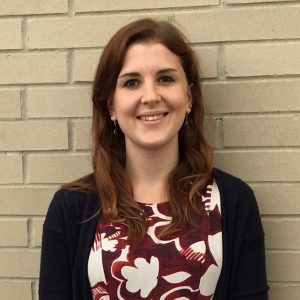
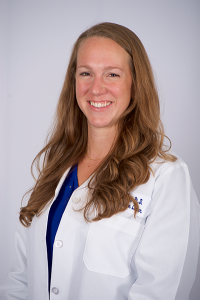
SfProcur curator April 9 – 14: Pilar Vesga – @CaterPilarVesga

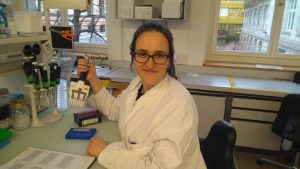
Pilar Vesga, MSc, is a PhD candidate in the plant pathology group at ETH Zurich in Switzerland, where she studies how some bacteria could be used to combat harmful insects and plant diseases. Her work helps lay the groundwork for better pest management, which could eventually help solve the world’s food crisis.

In her week at @SfProcur, Pilar will discuss biological pest control, the food crisis, the role GMOs can play in solving it, and what the alternatives are. As a microbiologist and general bacteria enthusiast, she will also share some of her favorite curious microbes.
background

(more…)

about Susan Leemburg

Susan received her PhD in neuroscience in 2011 in Zurich, Switzerland. She worked as a postdoctoral researcher until 2017 and is currently looking for the next adventure.

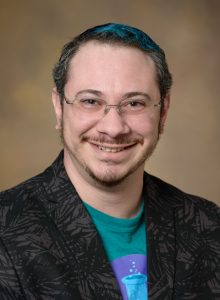
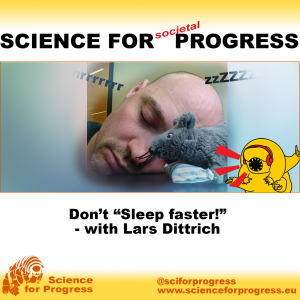
23 Don’t ‘Sleep Faster’ – with Lars Dittrich

Arnold Schwarzenegger famously (and half-jokingly) proclaimed that if you need more than 6 hours of sleep, you should sleep faster. Many successful people claim to sleep very little and use the extra time to be productive.

But is this sound advise? I talked with Dr. Lars Dittrich, neuroscientist and former sleep researcher, about sleep.

Lars answer questions like What does sleep do? How is it regulated? What are the side-effects of acute and chronic sleep deprivation? How do I know if I sleep enough? How could sleep research inform policies and business practices?

(more…)

about Dennis Eckmeier

Dennis founded Science for Progress. He received a PhD in neuroscience in 2010 in Germany. Until 2018 he worked as a postdoc in the USA, and Portugal. In 2017 he co-organized the March for Science in Lisbon, Portugal. Dennis is currently a freelancer.

SfProcur curator April 2 – 7: Hillary Stires – @HillStirSci

If we constantly have to talk to people about why fake science is wrong […], we will not be able to move biomedical research forward.

Dr. Hillary Stires is a postdoctoral fellow at Georgetown University (Washington DC, USA). She is currently transitioning from cancer research to science policy work.

Hillary is particularly passionate about including patient advocates in the dialogue for the next frontiers of cancer research. She encourages other scientists to consider the patients’ concerns when designing experiments, and hopes to improve patient-researcher relationships by raising awareness in researchers.

During her curation on @sfprocur, Hillary will talk about the scientists’ responsibility to communicate their science with broad audiences. Not only are many researchers and institutes in biomedical sciences funded by the public, there is a lot of misinformation by non-scientists that is slowing biomedical progress.

background

(more…)

about Dennis Eckmeier

Dennis founded Science for Progress. He received a PhD in neuroscience in 2010 in Germany. Until 2018 he worked as a postdoc in the USA, and Portugal. In 2017 he co-organized the March for Science in Lisbon, Portugal. Dennis is currently a freelancer.

SfProcur curator March 26-31: Tabitha Moses – @back2brains

Tabitha Moses

Tabitha Moses is an MD-PhD student specializing in translational neuroscience at Wayne State University in Detroit, USA. Her work focuses on substance use and mental health in underserved and stigmatized communities.

She is also interested in understanding the different views of physicians and activists about the rights of people with disabilities, such as deafness or autism. Through her research, she hopes to make long-term changes in our understanding and policy about these issues.

During her curation on @sfprocur, Tabitha will talk about the ways she is involved in changing society. She wants to show that there is always an opportunity to work for the change you want to see in the world, no matter who you are or what your career looks like at the moment.

background

(more…)

about Susan Leemburg

Susan received her PhD in neuroscience in 2011 in Zurich, Switzerland. She worked as a postdoctoral researcher until 2017 and is currently looking for the next adventure.

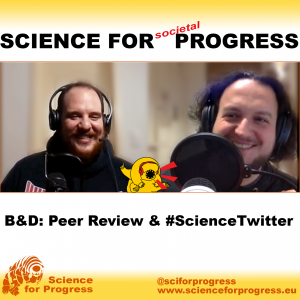
22 B&D: Peer Review & #ScienceTwitter

In this episode we talk about our experience with peer review and the importance of kindness and the advantages and disadvantages of the authors knowing the identity of peer reviewers. And in the second part we talk about how twitter can be a great place for science and scientists!

(more…)

about Dennis Eckmeier

Dennis founded Science for Progress. He received a PhD in neuroscience in 2010 in Germany. Until 2018 he worked as a postdoc in the USA, and Portugal. In 2017 he co-organized the March for Science in Lisbon, Portugal. Dennis is currently a freelancer.

SfProcur curator March 19-14: Gaius J. Augustus – @gaiusdivifilius

Gaius Julian Augustus is a freelance science artist who focuses on infographics, illustrations, and animation. He is also finishing a Ph.D. in cancer biology. He hopes to combine what he has learned from art and science in fun content that excites people about the world.

This week, Gaius will address issues that can make people feel like they do not belong in academia, like being trans* and having mental health problems. He will also discuss how scientists can use art to communicate more effectively with each other and the general public.

background

(more…)

about Susan Leemburg

Susan received her PhD in neuroscience in 2011 in Zurich, Switzerland. She worked as a postdoctoral researcher until 2017 and is currently looking for the next adventure.

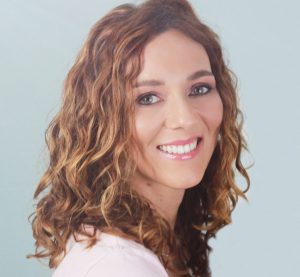
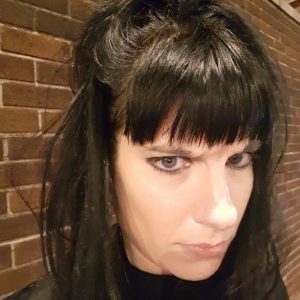
SfProcur curator 12 – 17 March: Isabel Torres – @prettysmartsci

Dr. Isabel Torres is a science editor and freelance science writer with a passion for science communication. She discovered her love for writing when she started a science blog for fun during a maternity leave.

Isabel believes that critical thinking is not only at the heart of the scientific method, but is also an excellent tool in our everyday lives. It can help us navigate the sea of (mis)information online and also help making informed decisions on important areas of our lives, such as health and parenting. This is why she decided to create Pretty Smart Science, where people can learn about science and scientists in a fun and accessible way. Caring deeply about women’s rights, Isabel also uses her platform to advocate for gender equality and the promotion of women in science.

Background

(more…)

about Susan Leemburg

Susan received her PhD in neuroscience in 2011 in Zurich, Switzerland. She worked as a postdoctoral researcher until 2017 and is currently looking for the next adventure.

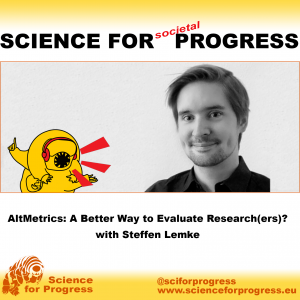
21 Altmetrics: A Better Way to Evaluate Research(ers)? – with Steffen Lemke

Who gets positions and funding in academia should depend on the merit of the researcher, project, or institute. But how do we assess these merits fairly, meaningfully and in a way that makes it comparable?

I talked about metrics with Steffen Lemke, PhD student at the Leibniz Information Centre for Economics (ZBW), in Kiel, Germany. He is part of the *metrics project, which investigates new research metrics and their applicability. The project is funded by the German Researcher Association, DFG.

(more…)

about Dennis Eckmeier

Dennis founded Science for Progress. He received a PhD in neuroscience in 2010 in Germany. Until 2018 he worked as a postdoc in the USA, and Portugal. In 2017 he co-organized the March for Science in Lisbon, Portugal. Dennis is currently a freelancer.

sfprocur curator March 5 – 10: Olivia Guest – @O_Guest

Dr. Olivia Guest is a PhD in Cognitive Science and, originally from Cyprus, works as research scientist at University College London. Her work involves building computer models and applying artificial intelligence (deep learning) for various purposes, including research on gerrymandering/redistricting, or analysis of brain imaging data.

Apart from her research, Olivia is interested in how science is perceived by society and how it is portrayed in the media, but also how social issues can impinge on science. Racism and sexism exist in academia just as they do anywhere else, and they can affect scientific research, the interpretation and (public) reporting of scientific results, and the scientists personally.

Olivia will tell us about her own published research, and will further talk about social issues within and surrounding science.

background

(more…)

about Dennis Eckmeier

Dennis founded Science for Progress. He received a PhD in neuroscience in 2010 in Germany. Until 2018 he worked as a postdoc in the USA, and Portugal. In 2017 he co-organized the March for Science in Lisbon, Portugal. Dennis is currently a freelancer.

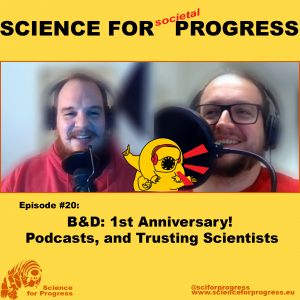
20 B&D: 1st Anniversary! Podcasts, and Trusting Scientists

This episode of Bart and Dennis Talk is actually our first anniversary episode! While Science for Progress was founded in July 2017, the podcast went online on February 20th 2018!

Announcement

At the beginning of the episode I announce that I will be on the Twitter “rotating curation account” @RecovingAcad, which belongs to the Recovering Academic Podcast. We had a crossover episode with them, last November. I will be tweeting about leaving academia and transitioning into industry from February 25th to March 2nd.

On March 3rd I will do a live video AMA on the account @theaddictivebrain on Instagram. Addictive Brain is a science communication project that was initiated by Chinmaya Sadangi, who was curator on our twitter rotating curation account @sfprocur. My AMA on Instagram starts at 3 p.m. UTC and will take about an hour.

Anniversary!

(more…)

about Dennis Eckmeier

Dennis founded Science for Progress. He received a PhD in neuroscience in 2010 in Germany. Until 2018 he worked as a postdoc in the USA, and Portugal. In 2017 he co-organized the March for Science in Lisbon, Portugal. Dennis is currently a freelancer.

« Previous PageNext Page »